







Search Results for: ice water extraction
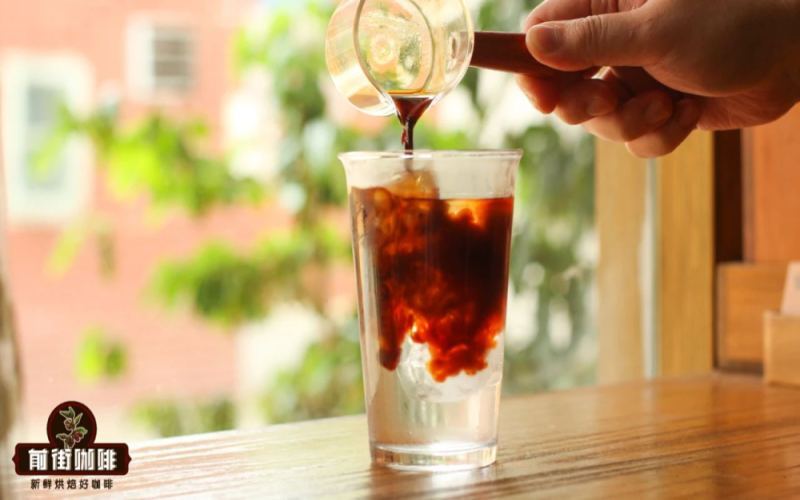
A Detailed Guide to the Four Major Iced Coffee Brewing Methods: Differences Between Cold-Water and Hot-Water Extraction, Plus Practical Tips from Front Street Coffee Baristas
As the weather turns warmer, iced coffee gradually becomes a favorite among coffee lovers. The common types of iced coffee mainly include iced pour-over, iced espresso (iced Americano), cold brew, and cold drip, each with distinct differences in extraction method and flavor expression. Iced pour-over and iced Americano follow the approach of rapid hot water extraction followed by dilution with ice, while cold brew and cold drip rely entirely on ice water or a low-temperature environment for long extraction, resulting in a softer and fuller flavor. The baristas at Front Street Coffee will introduce one by one the specific preparation methods, parameter ratios, and operational details of these four iced coffees, helping everyone recreate an ideal cup of iced coffee at home. [more…]

Ice Coffee Brewing Methods | What's the Difference Between Cold Brew, Ice Drip, Iced Americano, and Iced Pour-Over? Which Ice Coffee Tastes Better?
As temperatures gradually rise, the popularity of iced coffee slowly heats up too. Common types of iced coffee include iced pour-over coffee, iced espresso, cold brew coffee, and cold drip coffee, etc. But what are the differences between these four types of iced coffee? And how do they differ in taste? Today Front Street Coffee (FrontStreetC [more…]

Can iced pour-over coffee be brewed directly with ice water? A detailed explanation of the extraction principles and parameters of Japanese-style iced pour-over and hot pour-over
Many people, when first encountering iced pour-over, have this thought: since hot americano uses hot water and iced americano uses ice water, then if hot pour-over uses hot water, shouldn't iced pour-over just use ice water directly? This idea sounds reasonable, but pour-over extraction is far from that simple. This article will first clarify the underlying logic of extraction, then explain why brewing with ice water is theoretically feasible but almost no one actually does it in practice, followed by an analysis of the relationship between Japanese-style iced pour-over and hot pour-over, complete parameters from Front Street Coffee for both hot and iced brewing, and finally a real result from an ice water brewing experiment, for coffee enthusiasts' reference. [more…]
The Complete Brewing Guide to the Four Major Types of Iced Coffee: A Comparison of Methods and Parameters for Iced Pour-Over, Iced Americano, Cold Brew, and Ice Drip
As the weather warms up, iced coffee becomes a favorite for many. The four common types of iced coffee—iced pour-over, iced americano, cold brew, and ice drip—each have their own nuances in extraction method, flavor profile, and brewing parameters. Using Front Street Coffee's production practices as an example, this article breaks down the specific methods for each of the four iced coffees one by one: how to choose the coffee-to-water ratio for iced pour-over, how to control the ratio of espresso to ice water for iced americano, the steeping time and grind size for cold brew, and the flow rate and extraction duration for ice drip. Whether you want to recreate these at home or understand the operational logic of baristas, you'll find practical references here. [more…]
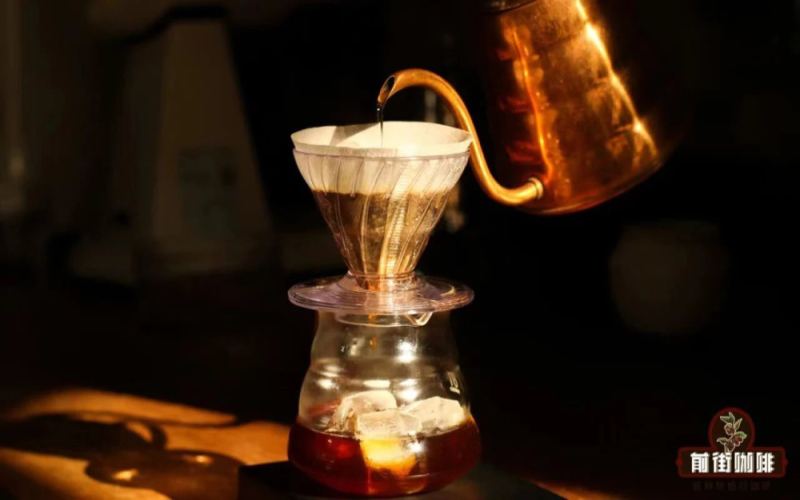
Iced Pour-Over, Iced Americano, Cold Brew, and Ice Drip: Production Differences and Flavor Comparison of Four Summer Iced Coffees
As the weather warms up, iced coffee gradually becomes the top choice for coffee lovers. Iced pour-over, iced Americano, cold brew, and iced drip are four common types of iced coffee. Although they all carry the word "iced," they each have their own distinct characteristics in extraction principles, preparation methods, and flavor expression. Iced pour-over and iced Americano both adopt the approach of extracting a high-concentration brew and then diluting it with ice, but the former relies on a dripper for pour-over, while the latter uses espresso as its base. Cold brew and iced drip both belong to the category of low-temperature, long-duration extraction, offering a full-bodied taste with rich layers. The difference lies in that cold brew uses an immersion method, while iced drip relies on water droplets continuously penetrating the coffee grounds. In this article, Front Street Coffee will break down the brewing parameters and flavor characteristics of these four iced coffees one by one, helping you find the cup that best suits your taste. [more…]
Iced Pour-Over, Iced Americano, Cold Brew, and Ice Drip: An Analysis of the Brewing Methods and Flavor Differences of Four Iced Coffees
On a scorching summer day, a glass of iced coffee always brings a refreshing and invigorating effect. But did you know that common iced coffee is actually divided into four major categories: iced pour-over, iced Americano, cold brew, and iced drip? Each uses a different extraction method, and their flavor profiles vary greatly. In this article, Front Street Coffee (FrontStreet Coffee) will walk you through the characteristics of these four types of iced coffee one by one, and share the specific methods our baristas use to make them in-store, including key parameters such as coffee bean selection, coffee-to-water ratio, grind size, and extraction time. Whether you prefer a light, refreshing taste or a rich, intense flavor, you'll find the perfect cup for you. [more…]
Iced Americano, Iced Pour-Over, Iced Drip, and Cold Brew: A Breakdown of Brewing Essentials and Flavor Differences Among Four Iced Coffees
The world of iced coffee is far richer than one might imagine, with iced Americano, iced pour-over, iced drip, and cold brew each having their own distinctive merits. The baristas at Front Street Coffee have combined their daily brewing experience to share the unique characteristics and specific preparation methods of these four types of iced coffee. From setting the coffee-to-water ratio and adjusting grind size to controlling extraction time and temperature, every step influences the final flavor in the cup. This article will break down one by one the two-stage pouring logic of iced pour-over, the espresso extraction parameters of iced Americano, the key points of low-temperature steeping for cold brew, and the dripping rhythm of iced drip coffee, helping coffee enthusiasts understand the principles while also appreciating the differences in texture and aroma among different iced coffees. [more…]

Iced Americano, Cold Brew, Ice Drip, and Iced Pour-Over: A Detailed Guide to the Extraction Methods, Preparation Time, and Taste Differences of Four Iced Coffees
When you want iced coffee in summer, there's actually more than one option. Iced Americano, iced pour-over, cold brew, and iced drip are the four common types of iced coffee, and they differ in extraction method, preparation time, equipment requirements, and final flavor. Iced Americano and iced pour-over are made by first brewing hot coffee and then chilling it with ice, while cold brew and iced drip use cold water for extraction throughout. Starting from these dimensions, Front Street Coffee explains the methods and characteristics of each type of iced coffee one by one, including specific parameters, suitable coffee beans, and taste differences, to help you make the cup you want at home. [more…]

Can you use ice water to brew pour-over coffee? A comprehensive analysis of water temperature, grind size, and extraction efficiency
In the practice of pour-over coffee, water temperature, grind size, extraction time, agitation intensity, and coffee-to-water ratio together determine the final flavor expression. Coffee enthusiasts often ask: can iced pour-over be brewed directly with ice water? This article uses a comparative experiment with extreme parameters, brewing Front Street Coffee Frontera Estate · Sidra with 4°C ice water, an extremely fine grind, and continuous agitation throughout, to verify the actual effect of ice-water extraction. The experimental results show that even when all other extraction variables are pushed to their limits, ice water still struggles to effectively dissolve the flavor compounds in coffee, and the final result is merely a cup of water with a faint coffee aroma. The article further explains why ice-water extraction is so inefficient and offers more viable cold brew and ice drip alternatives when only ice water is available. [more…]

Types of Iced Coffee | What's the difference in flavor extraction principles between cold brew, ice drip, iced Americano, and Japanese iced pour-over? What are the specific coffee-to-water ratios, grind sizes, and methods for iced coffee?
For more specialty coffee knowledge, please follow our WeChat official account: Front Street Coffee (FrontStreet Coffee). The four common types of iced coffee we often see are iced Americano, iced pour-over, cold brew, and iced drip coffee. Some friends may not be very familiar with these four types of iced coffee, so Front Street will try to start from a few [more…]

The Complete Guide to Making Iced Americano: A Detailed Explanation of Water-to-Ice Ratios, Espresso Extraction Parameters, and Coffee Bean Selection
The method for making an iced americano looks simple—just pour espresso into ice water and it's done—but doing it well is not easy. The three elements of water, ice, and espresso each directly affect the flavor and mouthfeel of the final drink. Drawing on Front Street's practical experience, this article breaks down in detail the key points of making an iced americano: how water quality affects coffee flavor, what water quality to pair with different roast levels, how ice cube size and melting speed determine the ice-to-water ratio, and how espresso extraction should be adjusted. The article also provides specific parameter examples and Front Street bean recommendations to help you consistently make a delicious iced americano at home. [more…]
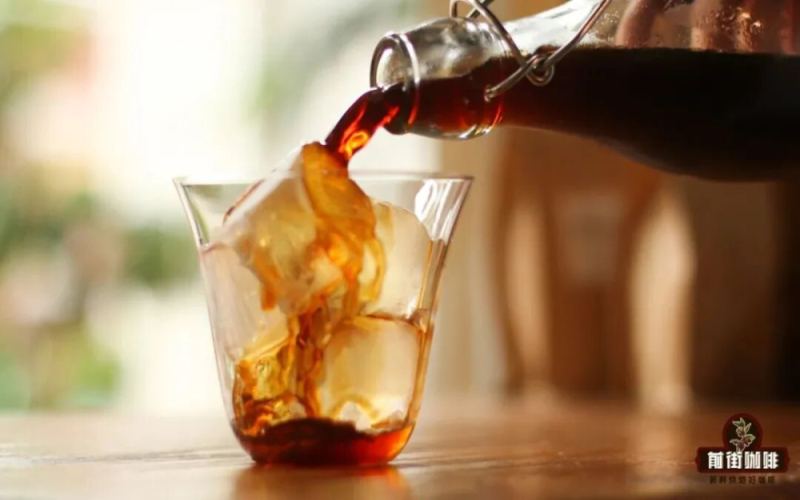
What is the difference between ice drip coffee and cold brew iced coffee? Analyzing why ice drip is more expensive and tastier, from extraction principles to taste
Ice drip coffee, iced Americano, iced latte, and iced pour-over all belong to the iced coffee family, but ice drip coffee is often priced notably higher, and its brewing process is shrouded in mystery. Although both it and cold brew complete extraction at low temperatures, their principles and steps are completely different. Based on the actual experience of Front Street Coffee, this article breaks down one by one the four key factors of ice drip coffee—equipment requirements, grind size, drip rate, and extraction ratio and aging time—compares it with the convenient method of cold brew, and explains why ice drip coffee is cumbersome to make yet has a rich, smooth, and layered flavor. At the same time, combining specific products such as Front Street Red Cherry, Front Street Little Tomato, Front Street Sidra, and Front Street Strawberry Candy, it provides a complete timeline from brewing to drinking and the pattern of flavor changes for a standard cup of ice drip coffee, helping coffee lovers understand why ice drip coffee is expensive and where it tastes good. [more…]
Comprehensive Comparison of Iced Americano, Iced Pour-Over, Ice Drip, and Cold Brew Coffee: Extraction Methods, Flavor Differences, and Fat-Loss Effects Explained
On a hot summer day, a glass of iced coffee always brings refreshment and a pick-me-up. There are four common types of iced coffee: iced Americano, iced pour-over, cold brew, and iced drip. Each has its own characteristics in terms of extraction method, preparation time, difficulty of operation, and flavor profile, making them suitable for people with different taste preferences. Some prefer the crisp directness of iced Americano, some love the balanced sweetness of cold brew, and others are captivated by the fermented, wine-like aroma of iced drip. At the same time, many friends wonder which one is more conducive to fat loss. Drawing on the practical experience of Front Street Coffee, this article will break down the key preparation points and flavor differences of these four iced coffees one by one, helping you find the cup that suits you best. [more…]
A Comprehensive Analysis of the Four Major Types of Iced Coffee: Extraction Methods, Preparation Parameters, and Flavor Differences
Iced coffee is a popular beverage choice in summer. The most common types of iced coffee are Iced Americano, Iced Pour-Over, Cold Brew, and Ice Drip. Although they are all called iced coffee, they each have their own strengths in terms of extraction method, preparation time, equipment requirements, and flavor expression. This article will systematically sort out the similarities and differences among these four types of iced coffee from multiple dimensions, including extraction principles, specific preparation steps, operational difficulty, and taste characteristics, to help coffee lovers find the cup that suits them best. Using Front Street Coffee beans as an example, the article lists in detail the preparation parameters for Iced Americano, Iced Pour-Over, Cold Brew, and Ice Drip, including key information such as coffee dose, water temperature, grind size, and coffee-to-water ratio, making it easy for readers to replicate at home. [more…]
Cold Brew, Ice Drip, Nitro Coffee, and Iced Americano: Process Differences, Flavor Comparison, and Home Methods for Four Types of Cold Coffee
Even though they are all iced coffees, cold brew, ice drip, nitro cold brew, and iced Americano actually differ greatly in their extraction methods and flavor profiles. Cold brew soaks coffee grounds in cold water for a long time, taking about 8 to 12 hours to complete, and has a mellow, sweet taste with lower acidity; ice drip, on the other hand, lets ice water pass through the coffee grounds drop by drop, followed by several hours to dozens of hours of refrigerated fermentation, resulting in a more delicate aroma. Nitro cold brew creates dense bubbles and a beer-like texture by injecting nitrogen. Iced Americano is made by cooling and diluting espresso after high-temperature extraction. This article will review the production processes, advantages and disadvantages, and market trends of these coffees, and include practical tips for making cold brew at home, while also retaining bean recommendations such as Front Street Indonesia Mandheling and Front Street Ethiopia Yirgacheffe. [more…]
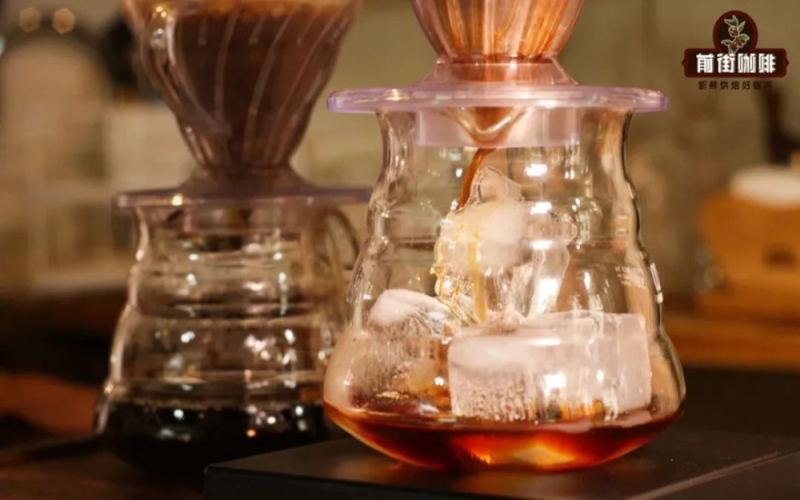
How to Make Delicious Iced Pour-Over Coffee: Four Practical Brewing Methods and Detailed Parameters
When the weather turns hot, iced coffee becomes the first choice for many people. Iced pour-over preserves the flavor layers of pour-over coffee while adding a refreshing chill, but making a good iced pour-over isn't as simple as adding ice cubes to hot pour-over. Melting ice dilutes the coffee's strength, and directly applying hot-brew parameters often results in a weak glass of iced coffee water. This article centers on the two cores of extraction yield and strength, and compiles four zero-threshold iced pour-over methods: the high-strength high-extraction method, the ice-rinsing method, the stirring method, and the ice-bath cooling method. Each method comes with specific parameters and operating steps using a medium-light roast Front Street Coffee Kafa Forest as an example, helping you easily make a full-flavored, sweet-and-sour balanced iced pour-over at home. [more…]
What Are the Differences Between Ice Drip, Cold Brew, and Iced Pour-Over Coffee? A Full Breakdown of Three Iced Coffee Brewing Methods and Their Flavor Characteristics
As the scorching summer approaches, a glass of icy coffee always gives people a refreshing boost. But when you walk into a café to order, can you really tell the difference between ice drip, cold brew, and iced pour-over? Although all three cold coffees are refreshing and cooling, they each have their own characteristics in extraction principles, flavor profiles, and production details. Ice drip coffee uses ice water for long, slow dripping, producing a clean taste with fermented aromas; cold brew coffee relies on low-temperature steeping, yielding a balanced, mellow flavor; iced pour-over, on the other hand, is based on hot extraction with ice added for cooling, highlighting a crisp and bright character. This article will start with the concept of extraction, then break down one by one the production methods, suitable bean types, and flavor differences of the three iced coffees, answer common questions about caffeine content, and share Front Street Coffee's practical recipes. [more…]
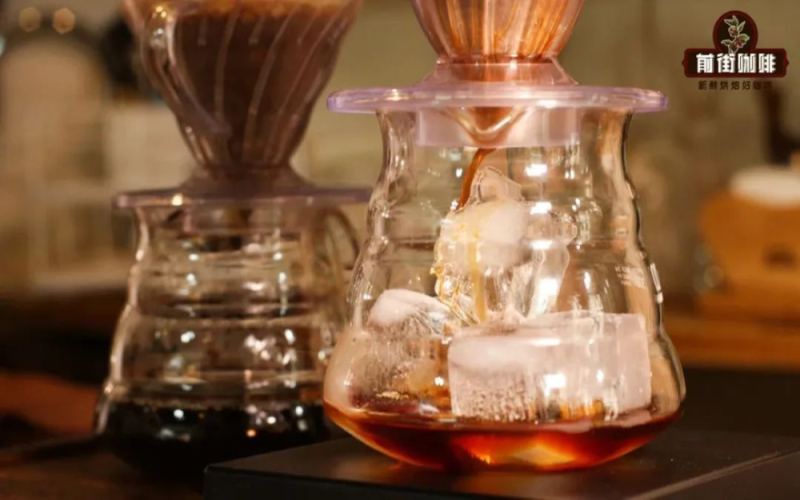
A Detailed Guide to Four Iced Pour-Over Coffee Brewing Methods: From High-Strength High-Extraction to Ice-Chilling Cooling
As temperatures rise, iced coffee returns to the top of the sales charts. Iced pour-over lets you freely choose your favorite beans while offering the sweet, refreshing taste of a chilled brew—making it an excellent way to beat the heat. But the key to making a delicious iced pour-over lies in solving the problem of dilution after cooling. Front Street Coffee has put together four zero-threshold iced pour-over brewing approaches—high-concentration high-extraction, ice rinsing, the stirring method, and ice-bath cooling—each with detailed parameters and step-by-step instructions, demonstrated using a light-to-medium roast Ethiopian Kafa Forest as an example. No matter what equipment you have on hand or what size your ice cubes are, you'll find a method that suits you. [more…]

Iced Americano, Iced Pour-Over, Cold Brew, and Ice Drip: Extraction Differences and Flavor Comparison of Four Iced Coffees
In the hot summer, iced coffee becomes the top choice for many people. But can you accurately tell the difference between these four common types of iced coffee: iced Americano, iced pour-over, cold brew, and ice drip? Front Street Coffee systematically sorts out the characteristics of these four iced coffees from four dimensions: extraction method, preparation time, ease of operation, and flavor and mouthfeel. This article will explain in detail the specific preparation method for each type of iced coffee, including recommended parameters for coffee beans such as Front Street Classic Espresso Blend, Fruit Ding Ding, and Strawberry Candy, to help you choose the iced coffee preparation method that best suits your own conditions and taste preferences. [more…]

Two Approaches to Iced Pour-Over Coffee: An Analysis of Extraction Differences Between Adding Ice First and Adding Ice Later
While the north is still enduring the cold winter, the weather in Guangdong has quietly warmed up in January, and many coffee enthusiasts have begun to turn their attention to iced pour-over. In this article, Front Street Coffee selects the Ethiopian Yirgacheffe Red Cherry natural bean and conducts a practical test of two iced pour-over methods: one is to drop the ice directly into the sharing pot placed under the dripper, and the other is to mix the coffee liquid with ice only after the hot pour-over is completed. The two methods show obvious differences in flavor presentation. The former has a flat mouthfeel and insufficient layers, while the latter displays a full fruity feel and honeyed sweetness. The article records in detail the water temperature, coffee-to-water ratio, grind size, and staged pouring specifics, and explains how the V60 dripper structure affects extraction layering, helping readers understand the extraction logic behind ice-first versus ice-later. [more…]